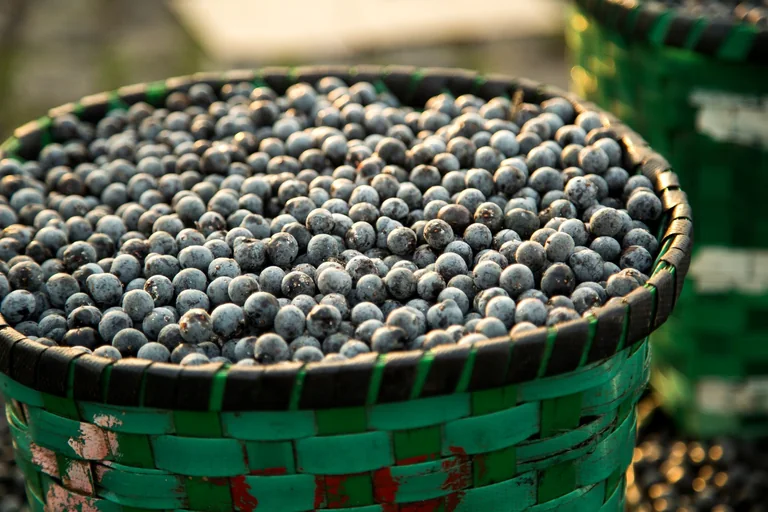
Açaí pulp is consumed in different preparations, and its nutritional profile can vary depending on the product, processing, and added ingredients.
What Exists in Açaí Pulp
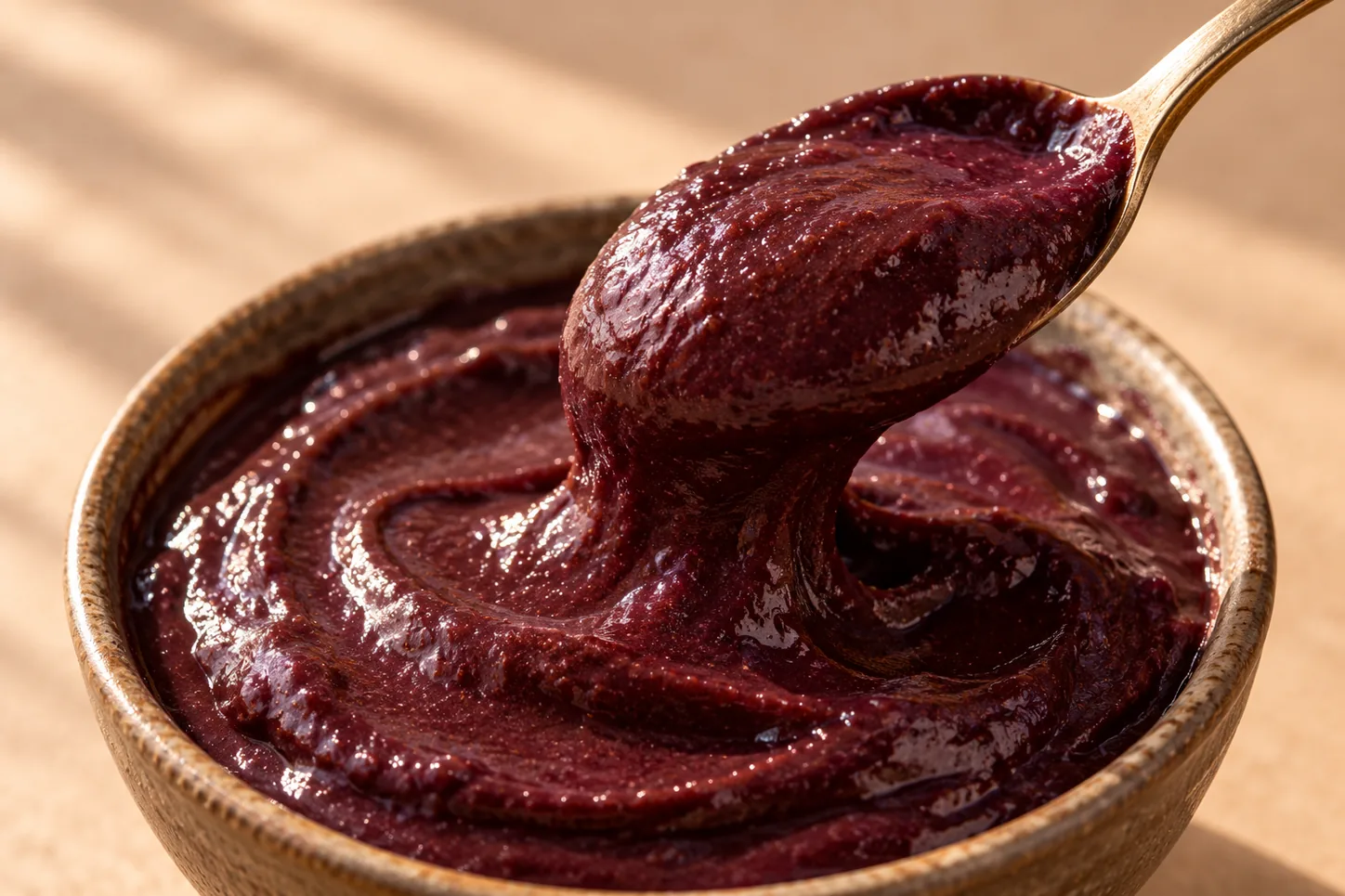
Açaí pulp contains carbohydrates, lipids, and fibers, as well as phenolic compounds. Among them are anthocyanins, pigments associated with the fruit's purple color.
Anthocyanins and Antioxidant Activity
Laboratory analyses study the antioxidant activity of compounds present in açaí. This type of result, by itself, does not mean that consumption produces a specific clinical benefit.
What Studies in Humans Show
Research in humans has already investigated different metabolic and antioxidant markers related to açaí consumption. The available results do not justify treating the food as a guarantee of improvement in cholesterol, blood sugar, aging, weight, or other health outcomes.
Pulp and Prepared Bowls Are Not the Same Thing
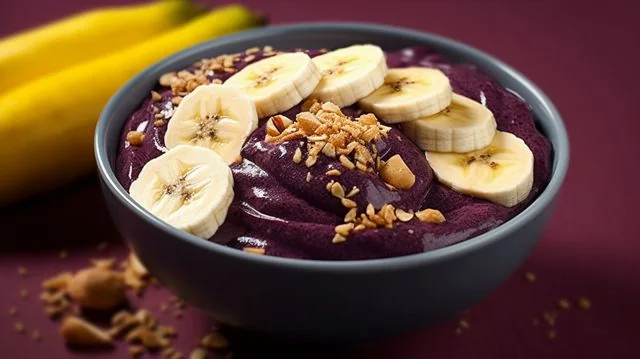
The nutritional profile of a bowl depends on the base used, the portions, and the added ingredients. Therefore, data on a reference pulp does not automatically describe a preparation with fruits and toppings.
Açaí can be enjoyed for its flavor and versatility, without transforming nutritional characteristics into health promises.